
2026 Crosstrek vs. Forester: Key Differences, Features, Options, Space & Value!
2026 Crosstrek vs. Forester: Key Differences, Features, Options, Space & Value!
Posted on March 19, 2026
Choosing between the 2026 Subaru Crosstrek and the 2026 Subaru Forester can feel tricky because both models offer strong capability, standard all-wheel drive, and everyday practicality. They are built for drivers who want confidence in all weather while still enjoying comfort and modern technology. Even though they share the same brand philosophy, each vehicle is designed for a slightly different lifestyle. One focuses on compact agility and urban convenience, while the other delivers extra room and family-friendly versatility. Understanding these differences makes the decision much easier. The sections below explain how each model stands out so you can choose with confidence.
Engine and Performance
The Crosstrek is powered by a 2.5-litre BOXER engine that produces about 180 horsepower and 178 lb-ft of torque. It uses a continuously variable transmission that keeps acceleration smooth while improving fuel efficiency. Because of its lighter size, the Crosstrek feels nimble in city traffic and easy to maneuver in tight parking spaces. It also handles gravel roads and winter conditions with confidence thanks to Subaru’s symmetrical all-wheel drive. Fuel consumption is typically around 8.1 L/100 km combined, making it economical for daily commuting. This model suits drivers who want efficiency and agility without sacrificing off-road capability.
The Forester uses a slightly larger 2.5-litre BOXER engine producing about 180 horsepower and 178 lb-ft of torque, paired with a CVT. While the power figures are similar, the Forester is tuned for smooth, steady performance rather than quick responses. Its taller body and longer wheelbase provide a planted feel on highways and rough terrain. Fuel efficiency is close to 8.2 L/100 km combined, which is impressive for a larger SUV. Drivers who travel long distances or carry passengers often appreciate this calm and stable ride. It is especially appealing to families and outdoor enthusiasts.
Interior Space and Comfort
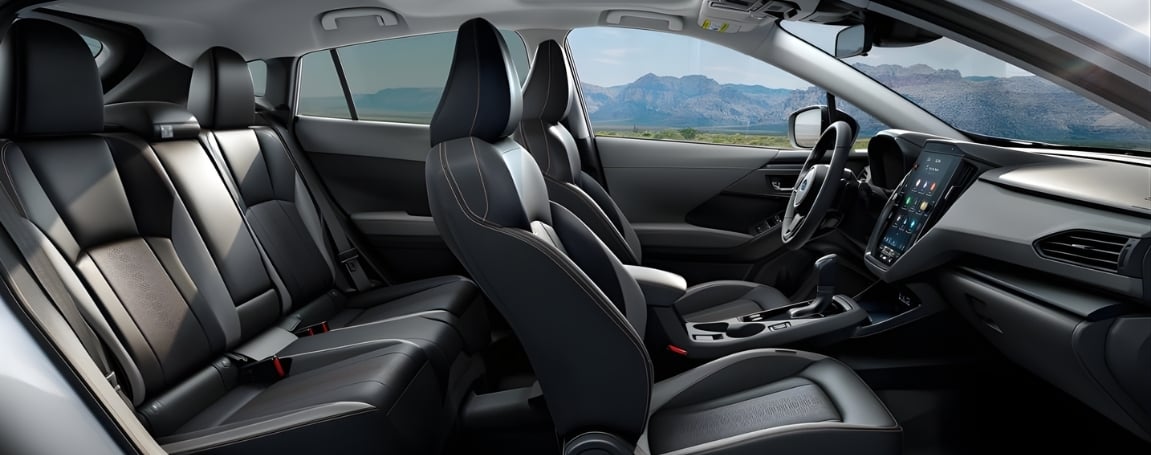
Inside, the Crosstrek offers comfortable seating for five with a driver-focused layout that feels sporty and modern. The cabin materials are durable and easy to clean, which is helpful for active lifestyles. Cargo space reaches about 1,549 litres with the rear seats folded, enough for luggage, camping gear, or sports equipment. The compact dimensions make it simple to load and unload items in crowded parking areas. Legroom is adequate for adults, though taller passengers may notice the smaller rear seating area on longer trips. This interior works best for singles, couples, or small families.
The Forester provides significantly more room, especially in the rear seats. Passengers benefit from generous headroom and legroom thanks to the taller roofline. Cargo capacity expands to roughly 2,107 litres with seats folded, making it ideal for strollers, large suitcases, or bulky outdoor gear. Wide door openings make entry and exit easier for children and older passengers. Large windows also create an airy feeling inside the cabin. This model clearly targets families and drivers who need maximum practicality.
Exterior Design and Layout
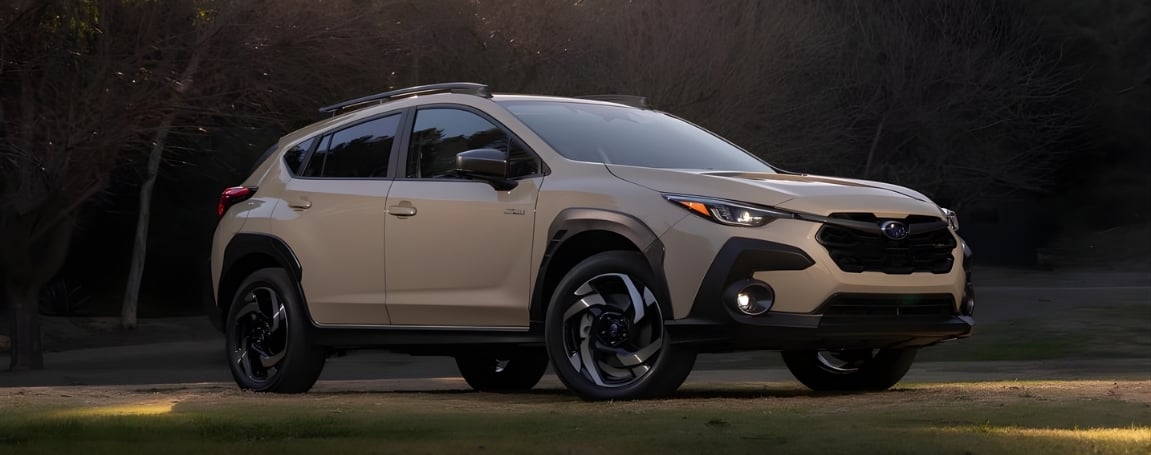
The Crosstrek has a rugged hatchback-style design with raised ground clearance and protective body cladding. Its shorter length makes it easier to park and navigate narrow streets. Roof rails make it easy to add bikes, kayaks, or cargo boxes. Standard wheels are typically 17 or 18 inches, depending on trim, balancing comfort and off-road readiness. The design feels youthful and adventurous. It appeals to drivers who want a compact SUV with personality.
The Forester adopts a more traditional SUV shape with a taller stance and upright proportions. This design improves visibility and interior space while maintaining a rugged look. Standard wheel sizes range from 17 to 19 inches, offering a confident road presence. The squared rear section also maximizes cargo capacity. Drivers who prefer a classic SUV appearance often gravitate toward this model. It communicates strength and practicality.
Safety and Driver-Assistance Features
Both vehicles come equipped with Subaru’s EyeSight driver-assist technology, which includes adaptive cruise control, lane centering, automatic emergency braking, and pre-collision throttle management. These systems help reduce driver fatigue and enhance everyday safety. Blind-spot detection and rear cross-traffic alert are also available on most trims. The Crosstrek benefits from a lower centre of gravity, contributing to stable handling during sudden maneuvers. It provides reassurance for city driving and commuting.
The Forester builds on the same safety foundation but adds advantages from its larger size and higher seating position. The elevated driving view improves awareness of surrounding traffic. Some trims offer additional features such as a surround-view camera and driver monitoring system. These technologies are especially helpful when parking or traveling with family members. Safety ratings for both models remain among the best in the compact SUV class. Buyers can feel confident in either choice.
Infotainment and Connectivity
The Crosstrek typically features an 11.6-inch touchscreen with smartphone integration through Apple CarPlay and Android Auto. The vertical display is easy to reach and keeps controls simple. Bluetooth connectivity and multiple USB ports support modern devices without hassle. Optional premium audio systems enhance sound quality for music lovers. The interface feels intuitive and modern. It suits tech-savvy drivers who value simplicity.
The Forester offers a similar infotainment setup but emphasizes convenience for passengers as well. The same large touchscreen is paired with additional charging options throughout the cabin. Navigation and connected services are available on higher trims. Because of the larger interior, the sound system feels fuller and more immersive. Families often appreciate the extra connectivity features for long trips. It becomes a comfortable mobile living space.
Wheels, Tires, and Capability
The Crosstrek’s wheel and tire combinations are designed to handle both pavement and light off-road conditions. Ground clearance of about 220 mm allows it to tackle rough paths with confidence. All-terrain tire options on certain trims enhance capability further. This balance makes it ideal for weekend adventures without compromising everyday comfort. Drivers who enjoy hiking or camping often find it perfectly suited to their needs.
The Forester provides similar ground clearance but pairs it with a longer wheelbase for improved stability. Its tires focus on comfort and durability for extended travel. The larger body also offers better towing capability than the Crosstrek. This makes it a stronger choice for hauling small trailers or recreational equipment. Outdoor families benefit from this extra versatility. It handles demanding conditions with ease.
Starting Price and Value
Pricing for both models is relatively close, with the Crosstrek positioned slightly lower as the entry point to Subaru’s SUV lineup. This makes it attractive for first-time buyers or those seeking a budget-friendly option without sacrificing capability. The Forester costs a bit more due to its larger size and added practicality. However, many buyers feel the extra space justifies the difference. Both vehicles deliver strong long-term value and reliability. The final choice often depends on lifestyle needs rather than cost.
Quick Comparison Snapshot
- Engine: Both use 2.5L BOXER engines with CVT
• Horsepower: Crosstrek ~182 hp, Forester ~180 hp
• Torque: Both around 178 lb-ft
• Fuel Economy: Similar at about 8.1–8.2 L/100 km combined
• Cargo Space: Crosstrek ~1,549 L vs Forester ~2,100 L
• Infotainment: Up to 11.6-inch touchscreen in both
• Wheels: Crosstrek 17–18 in, Forester 17–19 in
• Drive: Standard Symmetrical AWD
Which One Should You Choose?
The Crosstrek is ideal for urban drivers, young professionals, and adventure seekers who want a compact SUV that is easy to drive and park. It offers excellent efficiency, rugged capability, and a fun personality. The Forester is better suited for families, road-trip lovers, and anyone who prioritizes interior space, comfort, and visibility. Both vehicles deliver dependable performance and advanced safety, so neither choice is wrong. The decision simply comes down to how much space you need and where you drive most often. If budget is not a concern, lifestyle should guide your final pick.
Visit Myers Barrhaven Subaru in Nepean to explore the 2026 Subaru Crosstrek and 2026 Subaru Forester in person. Their team can help you compare trims, secure competitive pricing, and arrange flexible financing tailored to your needs.